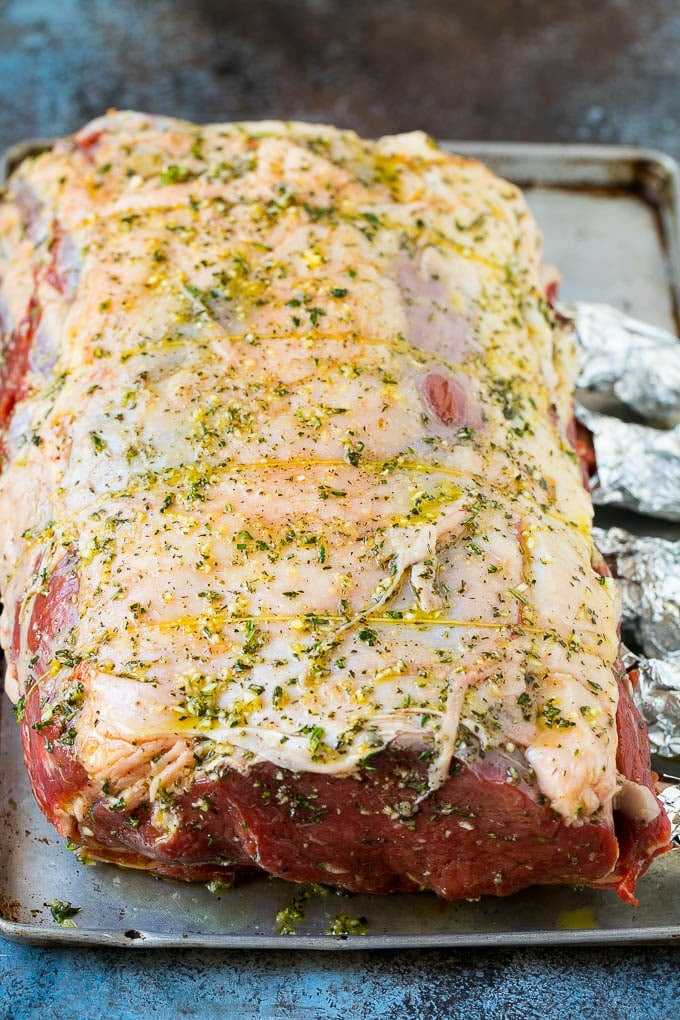
Transform your holiday table into a five-star dining experience with the absolute best prime rib roast recipe. As it roasts, the rich, savory aromas of garlic, rosemary, and slow-rendered beef fat fill the kitchen, signaling a truly unforgettable meal. The secret to this showstopping centrepiece lies in its magnificent textural contrast: a deeply savory, herb-crust exterior that yields effortlessly to a melt-in-your-mouth, perfectly juicy interior.
Whether you are hosting an intimate Christmas dinner or gathering with extended family for a special celebration, this foolproof method guarantees restaurant-quality results every single time. By combining a high-heat initial sear with a gentle, slow-roast finish, you lock in all the natural juices while building a magnificent crust. Paired with a rich au jus, this prime rib stands far above standard versions, delivering pure, unadulterated comfort and luxury with every single slice.
❤️ Why You'll Love This Recipe
ensures edge-to-edge pink perfection
infuses every bite with aromatic savory depth
impresses guests with restaurant-quality elegance
slow-cooked to retain maximum natural meat juices
🛒 Key Ingredients & Flavor Science
Core ingredients you'll need (exact measurements are in the recipe card below):
- Main recipe cut / protein or fresh produce, prepared and trimmed
- 2 tbsp extra virgin olive oil or unsalted butter
- 3 cloves fresh garlic, finely minced
- 1 medium onion or shallots, diced
- 1 tsp kosher salt and freshly cracked black pepper (to taste)
- 1/2 cup cooking broth or pan liquid
- Fresh chopped herbs for aromatic garnish
🔪 Essential Kitchen Equipment:
- Heavy-duty roasting pan with a wire rack
- Instant-read digital meat thermometer
- Chef's knife and large wooden cutting board
- Silicone basting brush
📸 Step-by-Step Visual Cooking Guide
Follow these chronological process steps with visual indicators and exact temperatures.
Step 1: Prep & Season the Protein
Step 1 of 6
Step 2: Mix the Garlic Herb Rub
Step 2 of 6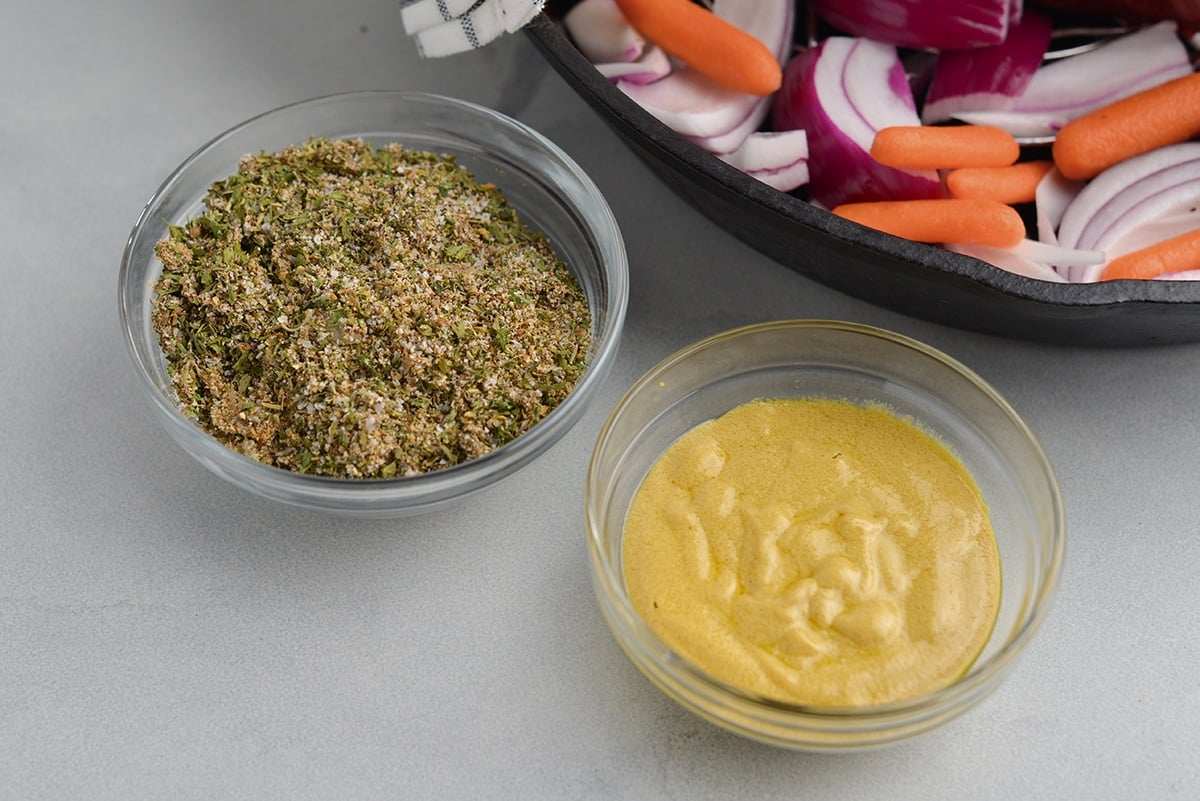
Step 3: Roast in the Skillet
Step 3 of 6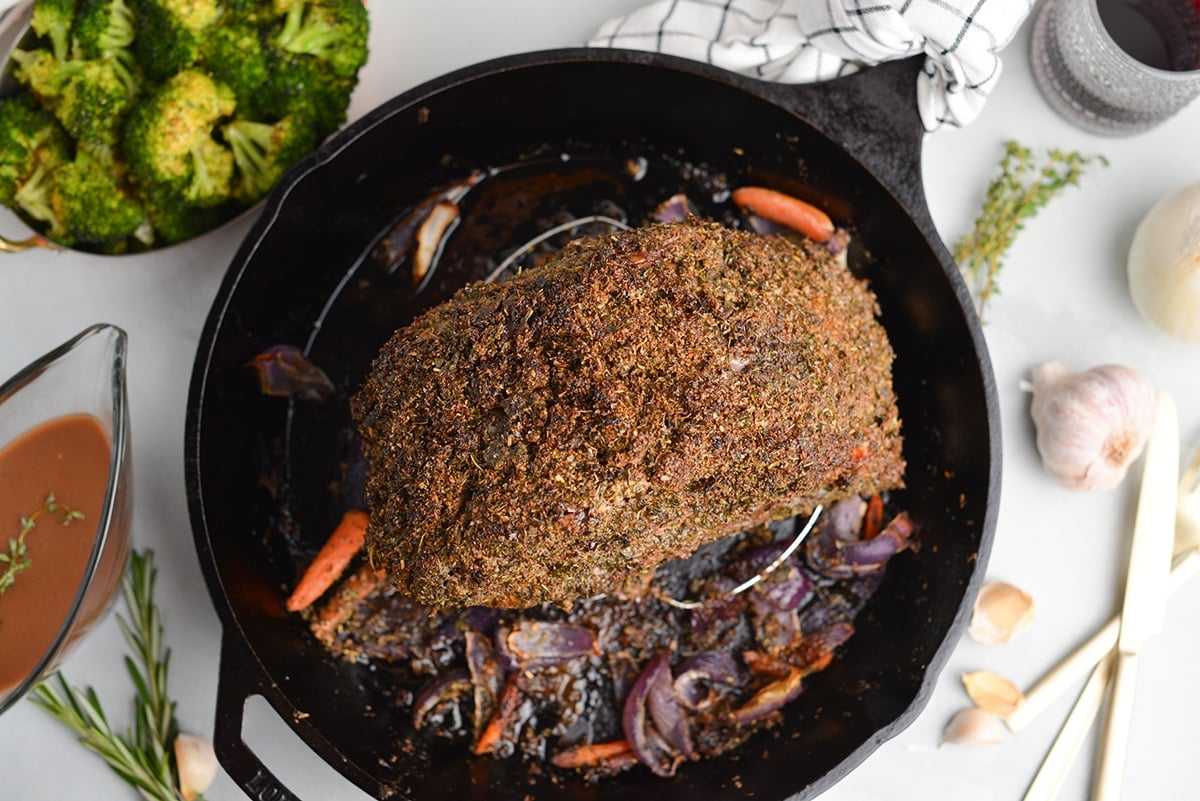
Step 4: Rest the Roast Whole
Step 4 of 6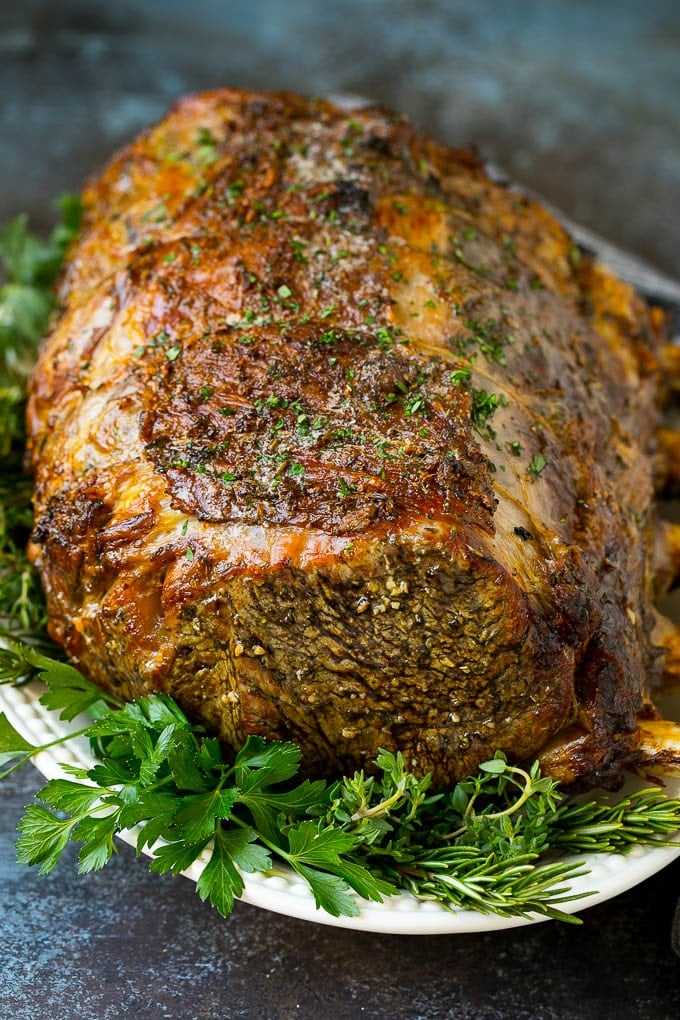
Step 5: Slicing the Pink Center
Step 5 of 6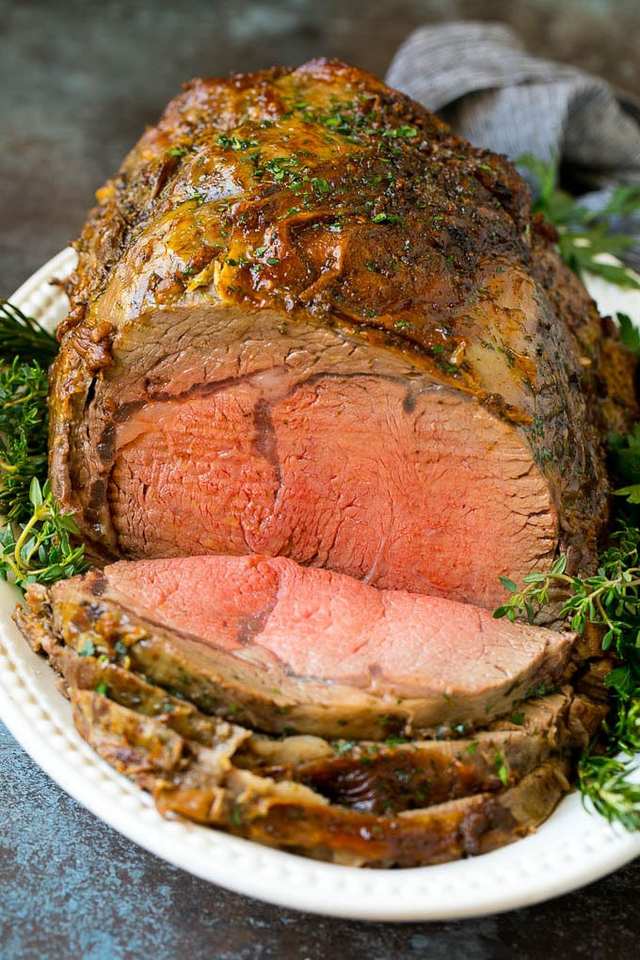
Step 6: Plated with Au Jus
Step 6 of 6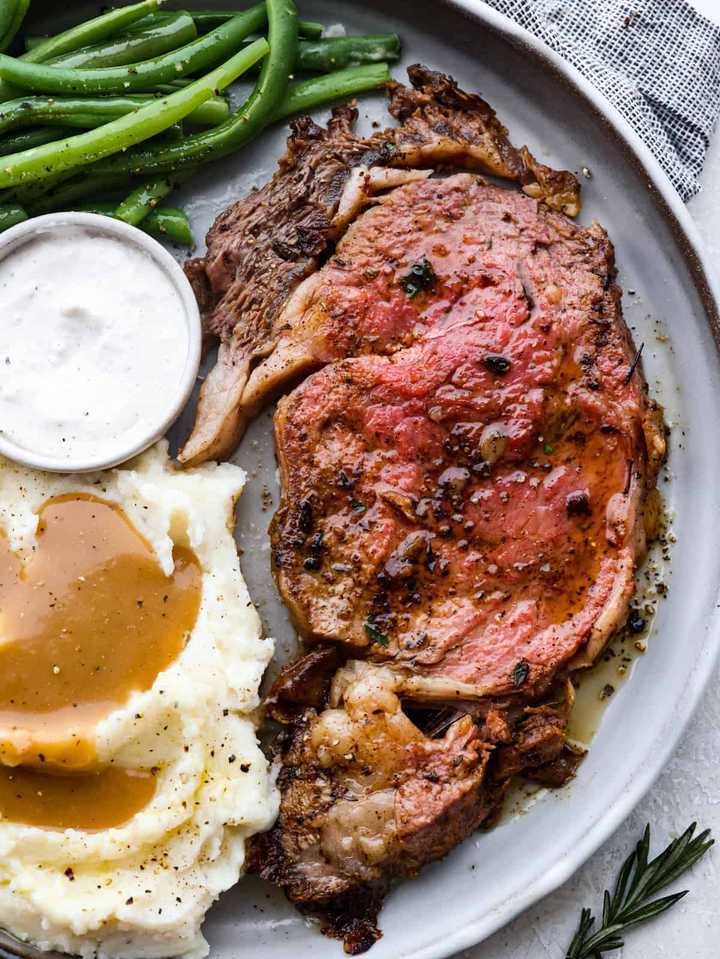
👨🍳 Pro Chef Tips for Flawless Results
- Bring to Room Temperature: Always pull your prime rib out of the fridge at least two hours before roasting to ensure even cooking
- Invest in a Digital Thermometer: Guessing doneness ruins expensive cuts
- use a reliable probe thermometer
- High Heat First: Start at a high temperature to build the crust, then lower it to gently finish cooking
- Rest Patiently: Give the roast at least 30 minutes of resting time so the juices redistribute evenly.
❄️ Make-Ahead, Storage & Reheating
**Freezer:** Wrap leftover slices tightly in plastic wrap, then aluminum foil, and store in a freezer-safe bag for up to 2 months. Thaw overnight in the refrigerator before reheating.
Best Prime Rib Roast Recipe (Garlic Herb Crust, Perfectly Juicy)
Best prime rib roast recipe with a garlic herb crust — seasoning, roasting times and resting steps for a perfectly juicy Christmas centrepiece.
Ingredients (Check off as you cook)
Step-by-Step Directions
- Prep & Season the Protein: Begin by patting the entire prime rib roast thoroughly dry with paper towels to eliminate surface moisture. Rub the roast all over with extra virgin olive oil, ensuring every nook and cranny is lightly coated to help the seasonings adhere. Sprinkle the coarse kosher salt and freshly cracked black pepper evenly over all sides, pressing the grains gently into the meat so they stick firmly. Let the seasoned roast sit at room temperature for at least 45 minutes to allow the salt to penetrate the muscle fibers.
- Mix the Garlic Herb Rub: In a small mixing bowl, combine the softened unsalted butter, finely minced fresh garlic, chopped rosemary, and stripped thyme leaves. Use a fork or small spatula to mash the ingredients together until they form a cohesive, fragrant green paste. Ensure the garlic is distributed evenly throughout the butter and herbs so there are no large clumps. This rich paste will melt slowly over the prime rib during the roasting process, infusing the outer fat cap with magnificent aromatics.
- Roast in the Skillet: Preheat your oven to 450°F (230°C) for the initial high-heat phase. Place the prime rib roast fat-side up on a wire rack inside your roasting pan, then slather the prepared garlic herb paste generously over the top and sides of the roast. Pour the low-sodium beef broth into the bottom of the roasting pan to prevent drippings from burning. Roast at 450°F for 20 minutes to jump-start the crust development, then drop the temperature down to 325°F (165°C) to finish cooking gently.
- Rest the Roast Whole: Remove the prime rib from the oven immediately when your digital meat thermometer registers 5 to 10 degrees below your target internal temperature (about 120°F for medium-rare). Transfer the roast carefully to a warm cutting board and tent it loosely with aluminum foil to trap the ambient heat. Let the roast rest completely undisturbed for 30 to 45 minutes before attempting to carve. Do not skip this step, as cutting too early will cause all the precious juices to run out onto the board.
- Slicing the Pink Center: Once the resting period is complete, remove the foil tent and discard any kitchen twine if your roast was tied. Using a long, sharp carving knife, slice the prime rib evenly between the ribs or into gorgeous individual portions depending on how it was prepared. Cut with smooth, gliding motions rather than sawing back and forth to keep the delicate slices intact. Admire the gorgeous edge-to-edge pink center, glistening with rich natural pan juices and fragrant herbs.
- Plated with Au Jus: Transfer your carved prime rib slices onto warm serving plates to keep the meal at an ideal temperature. Spoon the flavorful drippings collected from the bottom of the roasting pan, or a strained au jus, generously over and around the meat. Garnish the plate with a fresh sprig of rosemary or thyme for an elegant, professional presentation. Serve immediately alongside your favorite holiday side dishes and watch your guests rave over every single bite.
Frequently Asked Questions (FAQs)
Q: Can I prepare this recipe ahead of time? |
A: Yes, you can season the prime rib roast and apply the herb butter up to 24 hours in advance, keeping it tightly wrapped in the refrigerator until ready to roast.
Q: What internal temperature should I pull the prime rib from the oven? |
A: For medium-rare, pull the roast at 120°F to 125°F, as carryover cooking will raise the final internal temperature to 130°F while resting.
Q: Should I use a bone-in or boneless roast? |
A: Bone-in roasts offer superior flavor and natural insulation during cooking, but boneless roasts are significantly easier to carve and slice.
Q: What side dishes pair best with prime rib? |
A: Classic pairings include creamy garlic mashed potatoes, roasted Brussels sprouts, Yorkshire pudding, and a crisp green salad with vinaigrette.
Creating a restaurant-quality prime rib roast at home is easier than you think when you follow the right techniques, temperatures, and resting steps. This garlic herb crusted masterpiece is guaranteed to steal the show at your next holiday gathering or special family dinner. If you make this recipe, please take a moment to rate it, drop a comment below sharing how it turned out, and tag us in your gorgeous holiday dinner photos. Be sure to bookmark this page and pin it to your Pinterest boards for your upcoming celebrations!
Be sure to save this recipe to your Pinterest boards and explore more dinner ideas on Cozy Plate Recipes!